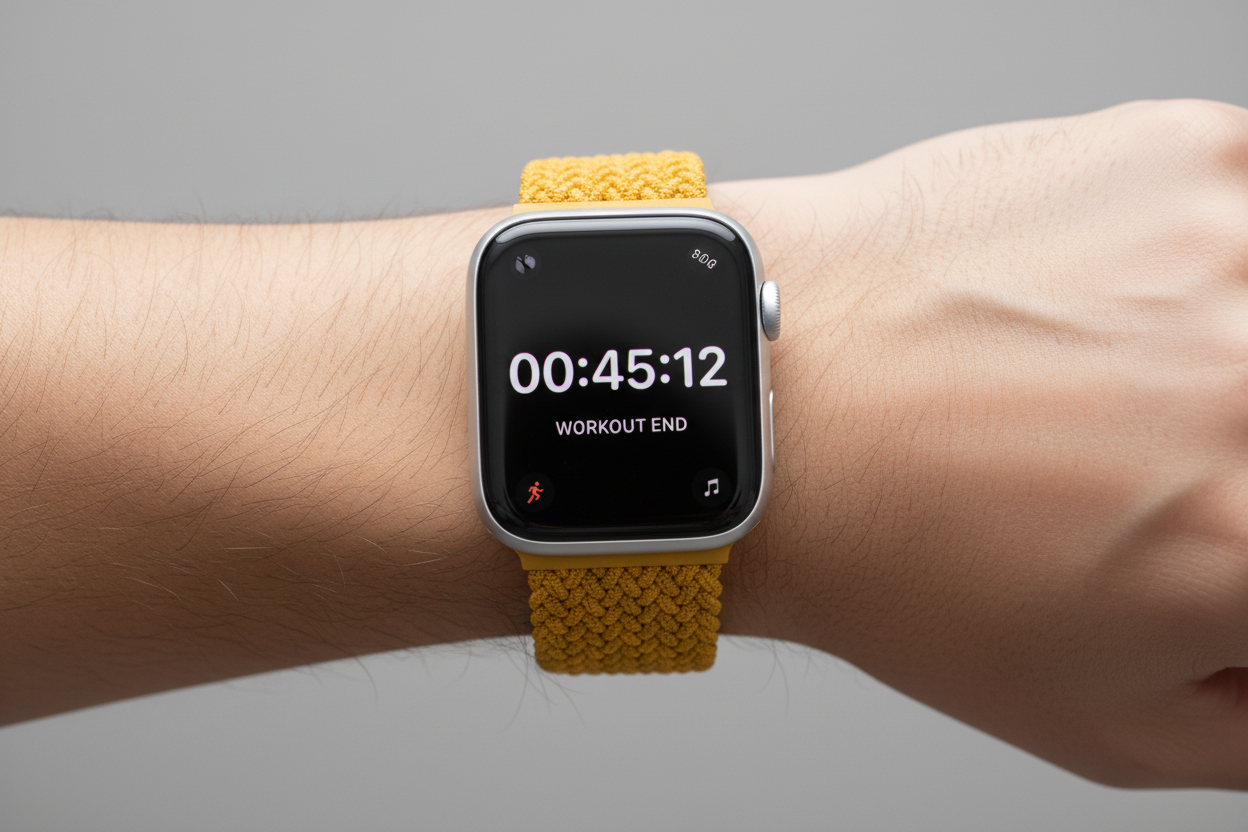
Our gadgets have become more than just accessories — they've evolved into powerful tools for health monitoring. The Apple Watch is no exception. Here are five key heart health features, why they matter, and what experts have to say.
1. Cardio Fitness: Measuring Your VO2 Max
The Apple Watch's Cardio Fitness feature provides a scientifically validated estimate of your VO2 Max — a crucial metric for understanding your body's ability to intake oxygen during exercise. Low VO2 Max is associated with long-term health issues like cardiovascular disease and high blood pressure. Especially useful for competitive athletes and those training for endurance events, though it's worth remembering that overall health also depends on factors like strength and mobility.
2. High and Low Heart Rate Notifications
The Apple Watch constantly checks for unusually high or low heart rates during periods of inactivity. If your heart rate exceeds 120 bpm or drops below 40 bpm for more than 10 minutes, you'll receive a notification. Experts note that abnormal readings don't always indicate a serious concern — false positives can occur — but this feature is valuable for establishing a healthy heart rate baseline.
3. Irregular Rhythm Notifications: Atrial Fibrillation Awareness
The Apple Watch can notify you of irregular heart rhythms that may indicate atrial fibrillation (AFib), a condition where the heart's upper chambers beat out of sync with the lower chambers. Early detection is critical, as AFib can lead to heart failure or stroke if left untreated. Experts note that while these notifications are valuable screening tools, a full diagnosis requires further testing such as an ECG.
4. ECG App: Capturing Irregular Heart Symptoms
The ECG app captures and records irregular heart symptoms — including rapid or skipped heartbeats — using an electrical heart sensor. Results can be shared with your clinician in PDF format. Many experts consider this the most exciting Apple Watch health feature, as it allows patients to capture sporadic or rare symptoms and share them with healthcare providers for accurate diagnosis and treatment.
5. AFib History: Tracking Atrial Fibrillation
The AFib History function estimates the time your heart shows signs of atrial fibrillation and tracks lifestyle factors that can influence it, such as sleep and exercise. Experts believe this feature can encourage patients to address risk factors and help both patients and doctors quantify the success of different treatment strategies by measuring AFib burden over time.
The Apple Watch offers powerful heart health features that can increase your awareness and motivate heart-healthy habits — but remember, these are not a substitute for expert medical advice. Always consult a healthcare professional for a comprehensive cardiovascular assessment.
Monitor your heart health by wearing your Apple Watch with the most comfortable and versatile bands you'll ever wear!